
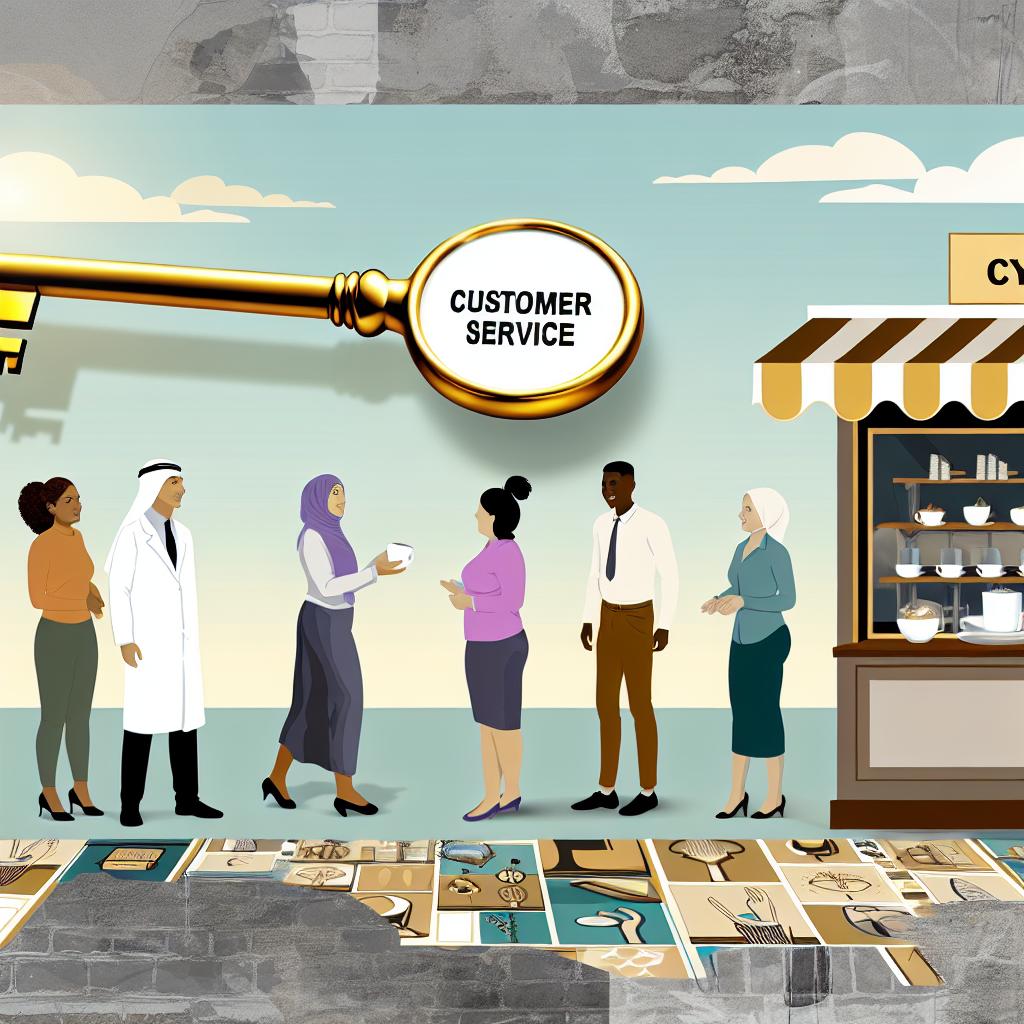
The Importance of Customer Service for Small Businesses
The Role of Customer Service in Small Businesses
In the competitive landscape of small businesses, customer service plays a crucial role in differentiating a company from its competitors. While larger corporations may rely on brand recognition and extensive marketing budgets, small businesses often find their strength in offering personalized and exemplary customer service. This aspect of business not only fosters customer satisfaction but also builds long-term relationships that can be pivotal for sustainability and growth.
Building Customer Loyalty
One of the main advantages of strong customer service is building customer loyalty. When customers have positive interactions with a company, they are more likely to return for future purchases. A loyal customer base becomes invaluable, as it typically results in consistent revenue streams and offers potential for referrals. This is particularly significant in a small business context where each retained customer can have a substantial impact on overall financial health. According to a study by Harvard Business Review, simply increasing customer retention rates by 5% has the potential to increase profits by 25% to 95%. This remarkable statistic underscores the importance of investing in customer service strategies that foster loyalty and repeat business.
Moreover, loyalty goes beyond mere transactions; it builds a community around the brand. Customers become brand ambassadors, actively endorsing the business through word of mouth, which is one of the most effective marketing tools at a small business’s disposal. Indeed, these loyal customers often introduce new patrons to the business, thus slowly but surely expanding its customer base without requiring hefty marketing expenditures.
Enhancing Reputation
Good customer service enhances a company’s reputation significantly. In today’s digital age, consumers have easy access to various platforms where they can share their experiences—both good and bad. Positive reviews can attract new customers and provide credibility to the business. Online reviews, social media mentions, and ratings on consumer sites all contribute to building a favorable image of the business. Conversely, poor customer service can quickly tarnish a company’s reputation, leading to a decrease in customer trust and a potential loss in sales.
For small businesses, maintaining a good reputation is critical. Without the cushion of a large budget or the backing of a well-known brand, small businesses often live or die by their reputations. It is therefore imperative for them to manage and respond to customer feedback actively. Engaging with customer reviews, whether positive or negative, humanizes the brand and demonstrates a commitment to improvement and customer satisfaction.
Providing Competitive Advantage
Small businesses lack the extensive resources of larger corporations, making it essential for them to find areas where they can excel. Offering outstanding customer service becomes a cost-effective way to gain a competitive edge. Being responsive, approachable, and attentive to customer needs can place a small business at the forefront within its industry.
While larger entities may implement systems that automate customer service processes, small businesses can capitalize on the human element by providing personal touchpoints. Owners and employees are typically in a position to interact more directly and personally with customers, turning what might be a simple transaction into a personalized experience that customers appreciate and remember. These interactions can be pivotal, differentiating a business from its competitors that might offer a similar product or service.
Improving Customer Experiences
Investing in customer service improvements can lead to better overall customer experiences. Training employees on communication and problem-solving skills ensures that customers receive reliable and efficient support. Small businesses that prioritize customer service often experience increased customer satisfaction, which can further lead to positive word-of-mouth and a broader customer base.
Training is fundamental for any small business aiming to enhance customer service. Employees who are well-versed in communication, empathy, and creative problem-solving are better equipped to handle customer inquiries and resolve issues promptly. This preparedness engenders trust and reliability, both of which go a long way in satisfying customers and elevating their experiences. Such training can manifest in various forms, including workshops, seminars, or regular performance reviews to identify areas of improvement.
Moreover, prioritizing customer feedback is a critical aspect of improving customer experience. Gathering insights directly from customers about their needs and pain points can guide businesses to make informed decisions about products or services to offer or adjust. Small businesses can implement feedback loops that may include surveys, follow-up emails, or feedback forms to continuously refine their service.
Impacts on Business Growth
Effective customer service strategies can significantly impact business growth. As small businesses build strong relationships with their customers, they create opportunities for upselling and cross-selling additional products or services. Understanding the needs and preferences of customers enables businesses to tailor offerings and, consequently, grow their operations. For instance, a business might identify unmet customer needs through interaction data, leading to the introduction of complementary products.
Additionally, sustainable growth often stems from a deep understanding of the market and a focus on building customer relationships. Rather than merely aiming to increase market share, small businesses benefit most from creating highly engaged, satisfied customer bases that drive revenue through repeat business and advocacy. This approach facilitates organic growth, fueled by customer satisfaction rather than costly marketing campaigns.
Conclusion
In summary, customer service is a fundamental aspect of any small business seeking long-term success. By focusing on customer satisfaction, small businesses can build loyalty, enhance their reputation, and gain a competitive edge. As these companies continue to nurture positive customer relationships, they set the foundation for sustainable growth and continued business development. Customer service not only distinguishes a business in the competitive market but also paves the way for expansion, elevated brand image, and unyielding customer trust. For small businesses, the power of exemplary customer service cannot be overstated; it is the key to enduring success and prosperity.